


Goal 4 aims to ensure inclusive and equitable quality education and promote lifelong learning opportunities for all. This goal supports the reduction of disparities and inequities in education, both in terms of access and quality.
Goal One.
Early childhood Education
the formal and informal teaching of children from birth to approximately eight years old. It is a critical period of development where rapid physical, cognitive, emotional, and social growth occurs, building the framework for future learning and success.
- Cognitive Skills: Developing problem-solving, memory, creativity, and imagination.
- Language & Literacy: Building vocabulary, letter recognition, and communication skills through storytelling and phonics.
- Social-Emotional Growth: Learning to interact with peers, share, take turns, and
To improve learning outcome and active participation in classrooms we provide the following:
Full orphan sponsorship
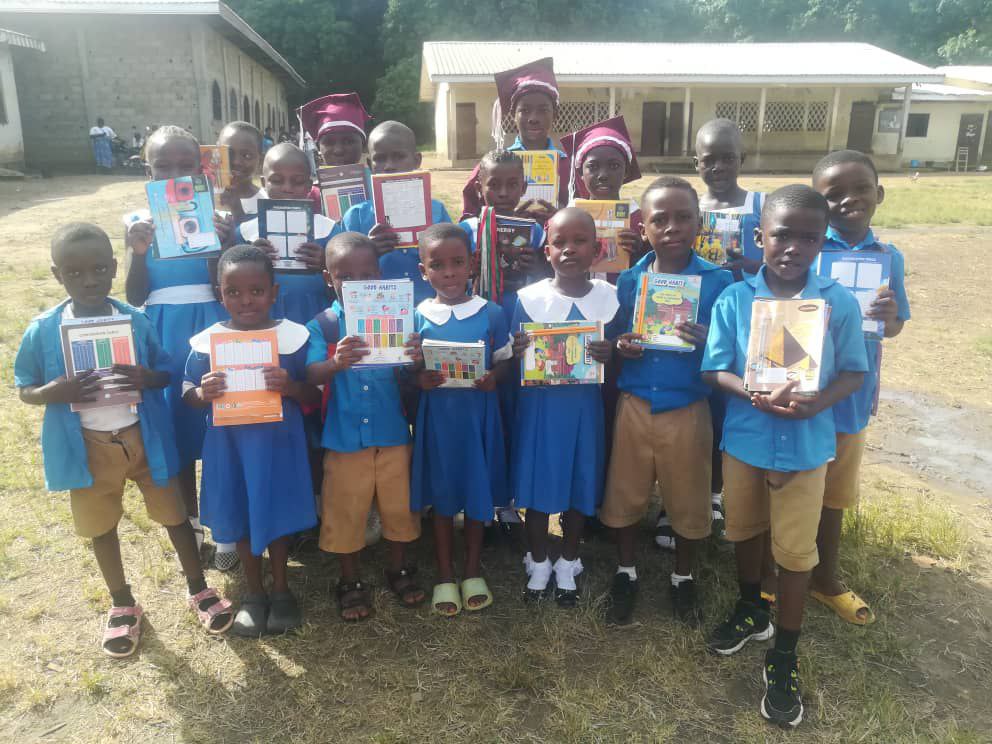
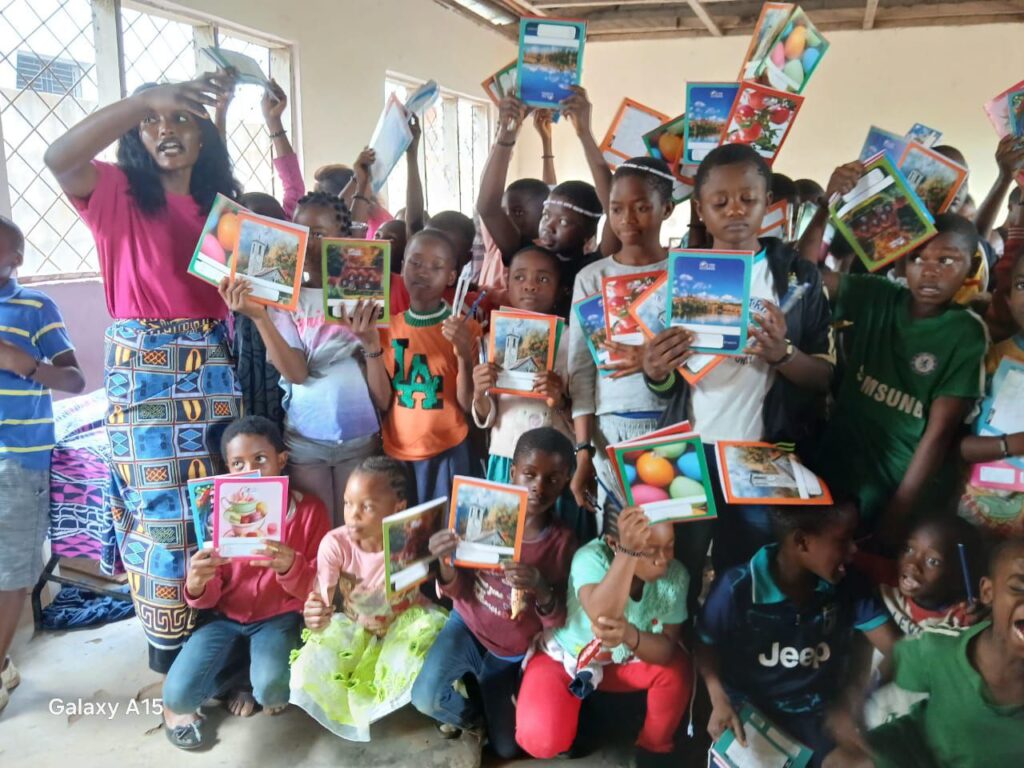
school supplies (workbooks, bags, books)
Classroom desk
Theories in early childhood education
Early childhood education theories emphasize that children learn best through active exploration, social interaction, and tailored developmental stages. Key frameworks include:
- Piaget’s cognitive development
- Vygotsky’s social constructivism
- Erikson’s psycho-social stages
- Froebel play-based theories that highlights play as essential for cognitive, social and emotional growth.
- Albert Bandura social learning, which guide educators to create play-based, supportive environments that match a child’s developmental pace and encourage curiosity.
Goal Two.
Scholarship/ Sponsorship
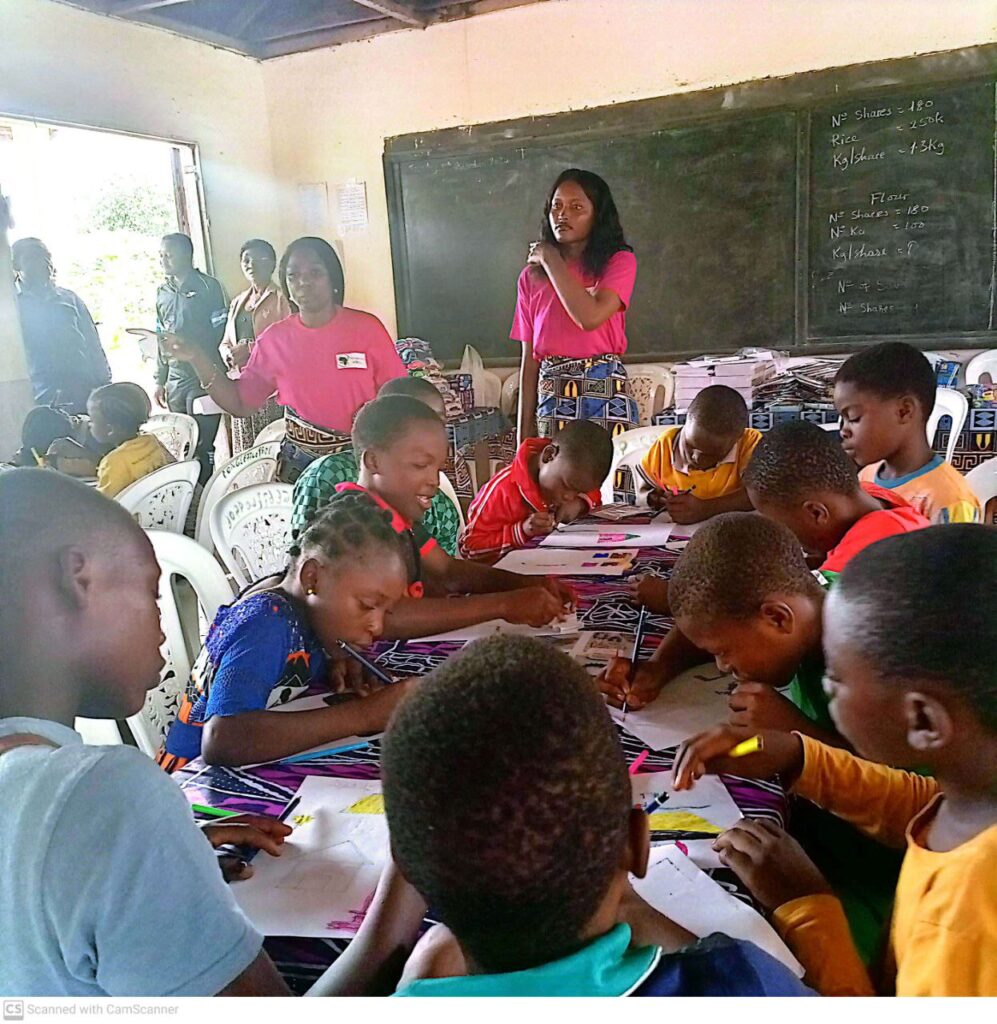
For many vulnerable children in Cameroon, financial hardship is one of the greatest barriers to education. Our scholarship and sponsorship programme helps remove that barrier by covering school fees and providing essential learning materials such as uniforms, books, school supplies, examination fees, and other educational support. Beyond financial assistance, we connect children with caring sponsors who encourage them throughout their educational journey, helping them stay in school, build confidence, and pursue their dreams. By investing in a child’s education today, we are creating brighter futures, stronger communities, and the next generation of leaders who will drive positive change in Cameroon.
QUALITY EDUCATION FOR ALL ENSURES THE FOLLOWING:
EARLY LEARNING
We support community schools, to improve access and quality learning for all in children in early years.
GENDER EQUALITY
HFOIC is committed to ensuring all girls and boys have the same opportunities for education.
INCLUSIVE EDUCATION
We make education free from all sorts of discrimination and more acessible for all vulnerable children in Cameroon
QUALITY TEACHING AND TRAINING
Our programs invest in training quality teachers to give best instructions to children improving learning outcomes
EDUCATION IN CRISIS
We help community learning centers rebuild and strengthen education during and after crisis so the children do not drop out of school.
PEACE AND SECURITY
our quality education programs ensure children study in a calm and safe environment void of violence therefore preventing political, economic and displacement risk for all children in local communities.
TECHNOLOGY FOR EDUCATION
Technology accelerates learning and education continuity especially for hard to reach vulnerable children.
STEM EDUCATION
Our education programs promote STEM education as it is essential for preparing vulnerable children in Cameroon to succeed in an increasingly digital and technology-driven world. By providing access to quality learning in science, technology, engineering, and mathematics, we equip children with critical thinking, problem-solving, creativity, and innovation skills that open doors to future educational and career opportunities. Through hands-on learning, digital literacy, robotics, coding, and practical science activities, we inspire children to explore their potential, overcome barriers, and become confident leaders and innovators who can contribute to the sustainable development of their communities and Cameroon as a whole.

Digital Classroom

Digital classroom education transforms learning by giving children access to interactive, technology-enabled educational experiences that improve knowledge, creativity, and digital skills. Through programs such as computer literacy training, digital learning labs, coding and robotics clubs, smart classroom instruction, e-learning platforms, digital literacy workshops, virtual science and mathematics lessons, and teacher capacity-building in educational technology, we create engaging and inclusive learning environments where every child can thrive. By bridging the digital divide for orphaned and vulnerable children in Cameroon, we equip them with the knowledge, confidence, and practical skills needed to succeed in school, adapt to a rapidly changing world, and contribute meaningfully to their communities.